

What Are the Symptoms of High Cholesterol?
High cholesterol typically has no visible symptoms, which is why it is often called a “silent” condition. It gradually builds up in the arteries over time, leading to plaque formation that narrows and hardens the blood vessels. This can eventually result in serious cardiovascular issues, such as heart disease, stroke, or heart attack. Regular cholesterol screenings are essential for detecting high cholesterol early, as symptoms usually only appear when significant damage has already occurred. For cholesterol management and heart health guidance, consult Board-Certified Dr. Kaushal Tamboli, MD, FACC, and his team of experienced cardiologists at Cardiovascular Medical Associates. For more information, contact us or book an appointment online. We are conveniently located at 8317 Davis St, Downey, CA 90241.
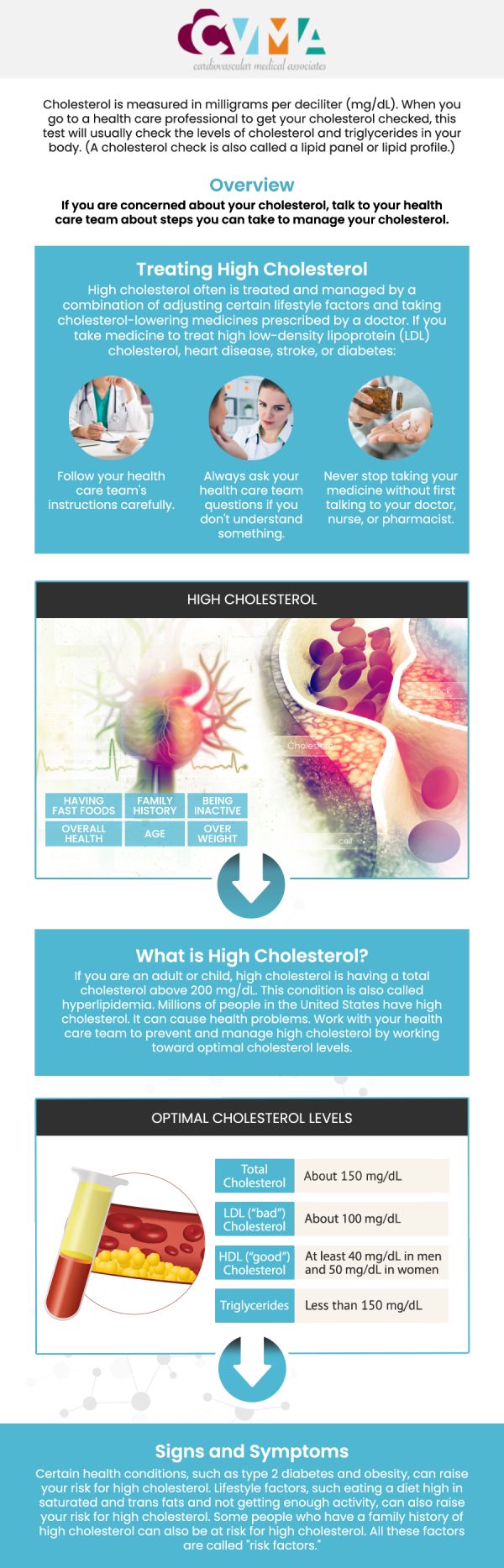
Table of Contents:
What are the common symptoms of high cholesterol?
Does high cholesterol cause chest pain or discomfort?
How do you prevent high cholesterol?
What are the risks if high cholesterol is left undiagnosed?
Recognizing High Cholesterol Symptoms Could Save Your Heart: Visit Cardiovascular Medical Associates Today
High cholesterol is often referred to as a “silent” condition because it typically does not cause any noticeable symptoms until it leads to more serious health problems, such as heart disease or stroke. For most people, high cholesterol develops gradually without causing any immediate physical warning signs, making regular screening and testing essential for early detection. This is particularly important because high cholesterol can lead to the accumulation of plaque in the arteries, a condition called atherosclerosis, which can restrict blood flow and increase the risk of severe cardiovascular events.
Though there are no specific symptoms of high cholesterol, individuals with very high cholesterol levels may occasionally develop fatty deposits under the skin, called xanthomas, which appear as yellowish lumps or bumps. These deposits can form on the skin, around the eyes, or on tendons. However, these signs are rare and usually occur in those with familial hypercholesterolemia, a genetic disorder that causes extremely high cholesterol levels from a young age. For most people, the only way to know if they have high cholesterol is through a simple blood test. Regular screenings are the best way to identify high cholesterol early and prevent the complications that can arise when it is left untreated.
High cholesterol itself does not typically cause chest pain or discomfort, but it plays a significant role in the development of conditions that can lead to these symptoms. Over time, elevated cholesterol levels can contribute to the buildup of plaque in the arteries, a condition known as atherosclerosis. As the plaque accumulates, it narrows the arteries, reducing blood flow to vital organs like the heart. When the heart muscle does not receive enough oxygen-rich blood, it can lead to angina, which is characterized by chest pain or discomfort. Angina may feel like tightness, pressure, or a squeezing sensation in the chest, especially during physical activity or emotional stress.
While chest pain is more commonly associated with advanced cardiovascular conditions, it can also be an early warning sign that high cholesterol is impacting the heart. If you experience chest pain, it’s important to seek medical attention immediately to assess the underlying cause. High cholesterol is a major risk factor for heart disease, but with proper management, including lifestyle changes and medications, the risk can be significantly reduced. Regular monitoring of cholesterol levels and heart health is essential for preventing serious complications.
Preventing high cholesterol starts with adopting a heart-healthy lifestyle. One of the most effective ways to reduce cholesterol levels is through a balanced diet that’s low in saturated fats and trans fats. Eating more fruits, vegetables, whole grains, and lean proteins can help lower cholesterol and improve overall heart health. Regular exercise also plays a critical role in managing cholesterol. Engaging in at least 30 minutes of moderate physical activity most days of the week can help raise HDL (good) cholesterol and lower LDL (bad) cholesterol.
In addition to diet and exercise, maintaining a healthy weight is essential for cholesterol management. Obesity is a significant risk factor for high cholesterol, and even modest weight loss can have a positive impact on cholesterol levels. Quitting smoking and limiting alcohol intake are also important steps in preventing high cholesterol. At Cardiovascular Medical Associates, Board-Certified Dr. Kaushal Tamboli, MD, FACC, and his team work with you to create a customized plan that includes these lifestyle changes and ongoing support to help you maintain healthy cholesterol levels.
If high cholesterol is left undiagnosed and untreated, it can lead to a series of dangerous health conditions, primarily affecting the cardiovascular system. Over time, the excess cholesterol in the blood builds up as plaque on the artery walls. This plaque narrows and hardens the arteries, restricting blood flow to vital organs. When blood flow to the heart is obstructed, it can result in coronary artery disease, leading to heart attacks. Similarly, if blood flow to the brain is reduced, it can increase the risk of strokes. High cholesterol can also lead to peripheral artery disease, affecting blood circulation in the limbs.
The consequences of leaving high cholesterol untreated make early detection and management crucial. Regular cholesterol screenings, especially for individuals with risk factors like obesity, smoking, or a family history of heart disease, can help prevent the severe health problems associated with high cholesterol. At Cardiovascular Medical Associates in Downey, CA, Board-Certified Dr. Kaushal Tamboli, MD, FACC, and his team are dedicated to helping you detect high cholesterol early and manage it effectively to protect your heart health and overall well-being.
High cholesterol is often referred to as a “silent” condition because it typically doesn’t cause any noticeable symptoms until it leads to significant health issues, such as heart disease, stroke, or a heart attack. However, recognizing the risks and taking proactive steps can help prevent these severe complications. Elevated cholesterol levels, particularly LDL (low-density lipoprotein), can lead to the buildup of plaque in the arteries, which restricts blood flow and puts extra strain on the heart. Regular cholesterol screenings are essential for detecting high cholesterol early and preventing long-term damage to your heart and arteries.
At Cardiovascular Medical Associates in Downey, CA, Board-Certified Dr. Kaushal Tamboli, MD, FACC, and his team of experienced cardiologists offer comprehensive heart health assessments and cholesterol management strategies. By scheduling an appointment with our team, you can take control of your heart health and reduce your risk of developing serious cardiovascular diseases. Early detection, along with personalized treatment plans, can make a significant difference in managing high cholesterol and ensuring your heart stays healthy. For more information, contact us or book an appointment online. We are conveniently located at 8317 Davis St, Downey, CA 90241. We serve patients from Downey CA, Norwalk CA, Lynwood CA, Cerritos CA, Lakewood CA, Whittier CA, and surrounding areas.
Check Out Our 5 Star Reviews




 Send Text
 How May I Help You?