

What Is the Difference Between HDL Cholesterol and LDL Cholesterol?
HDL and LDL are the main cholesterol carriers in your blood, but they work differently. LDL is often called “bad” cholesterol because it can build up in the arteries as plaque, while HDL is known as “good” cholesterol because it helps remove extra cholesterol and carry it back to the liver. A healthy cholesterol balance means keeping LDL low and HDL at a protective level. Board-certified Dr. Kaushal Tamboli, MD, FACC, and the team at Cardiovascular Medical Associates in Downey, CA, can help patients understand their cholesterol numbers and heart health risks. For more information, contact us or book an appointment online. We are conveniently located at 8317 Davis St, Downey, CA 90241.
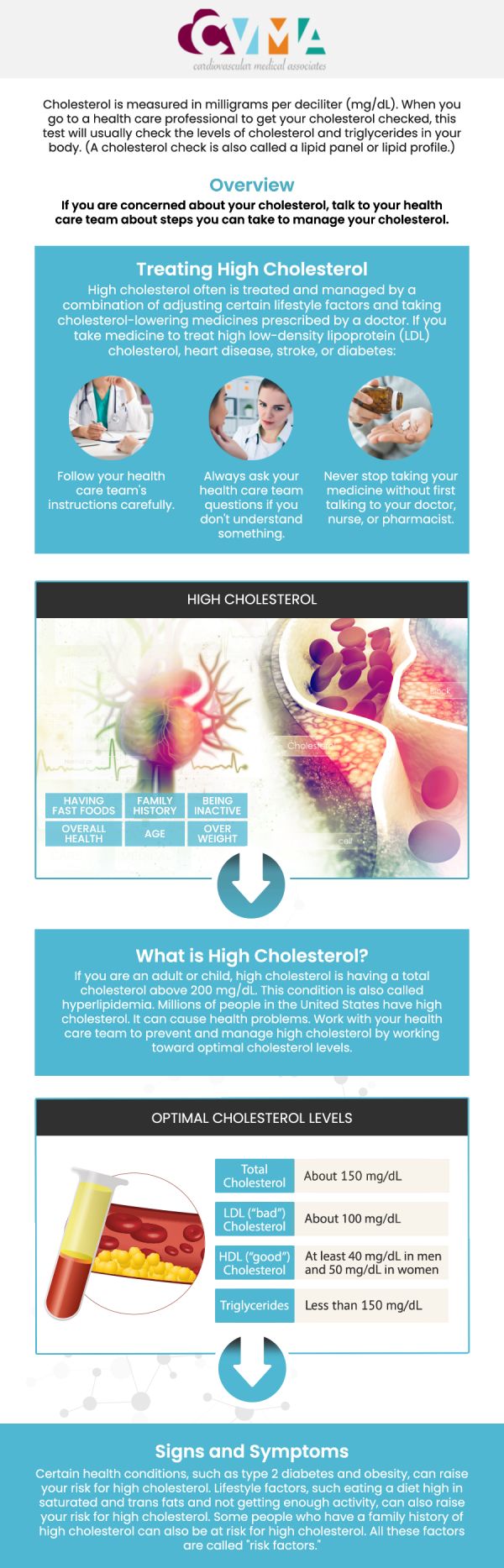
Table of Contents:
What are HDL cholesterol and LDL cholesterol?
Why is LDL cholesterol called bad cholesterol?
Why is HDL cholesterol called good cholesterol?
How does HDL cholesterol help protect heart health?
How can high LDL cholesterol affect the body?
What are considered healthy levels for HDL and LDL?
Can you have high cholesterol without symptoms?
How often should cholesterol levels be checked?
Manage HDL and LDL Cholesterol Levels With Dr. Kaushal Tamboli, MD, FACC, and the Team at Cardiovascular Medical Associates in Downey, CA
When discussing cardiovascular health, one word that inevitably comes up in every doctor’s office is “cholesterol.” For decades, cholesterol has been widely misunderstood, often painted with a broad brush as an inherently dangerous substance that must be eliminated from our diets and bodies entirely. However, the truth is far more complex and nuanced. Cholesterol is actually a vital, waxy, fat-like substance found in all the cells of your body. Your body needs cholesterol to build healthy cellular membranes, produce essential hormones like estrogen and testosterone, and synthesize vitamin D. Your liver produces all the cholesterol you need to survive, but it is also absorbed from the foods you eat, particularly animal products.
The confusion arises when we talk about the different types of cholesterol circulating in your bloodstream. Because cholesterol is a fat (lipid) and your blood is primarily composed of water, the two do not mix. To travel through your bloodstream, cholesterol must be packaged into microscopic vehicles made of lipids and proteins, appropriately named “lipoproteins.” The two main types of lipoproteins that carry cholesterol throughout your body are HDL (high-density lipoprotein) and LDL (low-density lipoprotein). Understanding the distinct difference between HDL cholesterol and LDL cholesterol is the foundational first step in taking control of your cardiovascular wellness, managing your risk factors, and protecting your heart for years to come.
To grasp the difference between HDL and LDL cholesterol, it helps to understand their structural and functional roles in the body. Lipoproteins are classified by their density, which refers to the ratio of protein to fat they contain.
● LDL (Low-Density Lipoprotein) has a lower ratio of protein to fat, meaning it is richer in cholesterol. It acts as the primary delivery vehicle in the bloodstream, transporting cholesterol from the liver to the cells that need it throughout the body. While this delivery system is essential for normal bodily functions, an overabundance of LDL in the bloodstream leads to excess cholesterol being left behind in places it shouldn’t be.
● HDL (High-Density Lipoprotein), on the other hand, contains a higher proportion of protein compared to fat, making it structurally denser. If LDL is the delivery truck dropping off cholesterol, HDL is the street sweeper or recycling vehicle. It travels through the bloodstream, picks up excess cholesterol from the tissues and blood vessels, and transports it back to the liver. Once returned to the liver, this excess cholesterol is broken down, metabolized, and ultimately excreted from the body.
LDL cholesterol has earned the notorious nickname of “bad” cholesterol because of its direct and aggressive role in the development of cardiovascular disease. When you have too much LDL cholesterol circulating in your blood, it can slowly begin to build up in the inner walls of the arteries that feed your heart and brain.
Over time, these excess LDL particles become trapped in the delicate arterial lining and undergo a chemical process called oxidation. This triggers an inflammatory response from the body’s immune system, sending white blood cells to the area to engulf the trapped cholesterol. This accumulation of cholesterol, cellular waste products, calcium, and fibrin creates a thick, hard, waxy deposit known as plaque.
This disease process is clinically referred to as atherosclerosis. As plaque accumulates, the walls of the arteries become stiff, thickened, and narrowed, leaving less room for oxygen-rich blood to flow freely. Because LDL is the primary driver behind the formation of these dangerous arterial plaques, medical professionals universally refer to it as the “bad” cholesterol that needs to be closely monitored and aggressively managed through diet, exercise, and medication if necessary, under the care of board-certified cardiologists such as Kaushal Tamboli, Paiboon Mahaisavariya, and Paul Yoshino at Cardiovascular Medical Associates.
Conversely, HDL is universally celebrated as the “good” cholesterol. It has earned this positive reputation primarily because a high level of HDL in your blood translates to a significantly lower risk of developing cardiovascular disease. The primary reason for this protective effect is HDL’s ability to act as a systemic scavenger within the cardiovascular system.
Instead of depositing cholesterol into the arterial walls, HDL actively extracts cholesterol from the bloodstream, from the walls of the arteries, and even from the lipid-rich plaques themselves. By transporting this dangerous cholesterol away from the heart and back to the liver for safe disposal, HDL effectively prevents the buildup of new arterial plaque and can even help shrink and stabilize existing plaque deposits.
Therefore, unlike LDL—where lower numbers are better—having a higher level of HDL cholesterol is highly desirable and considered cardioprotective. Medical experts encourage lifestyle modifications, such as engaging in regular aerobic exercise, quitting smoking, and consuming healthy fats like olive oil, nuts, and avocados, specifically because these healthy habits are known to naturally boost your levels of this beneficial, “good” cholesterol.
The protective benefits of HDL cholesterol extend far beyond its famous “reverse cholesterol transport” mechanism. While removing excess cholesterol from the arteries is its most well-known function, modern cardiovascular research has uncovered that HDL particles possess several other remarkable physiological properties that shield the heart.
First, HDL has potent anti-inflammatory effects. Since the buildup of arterial plaque is largely an inflammatory disease driven by the immune system’s reaction to trapped LDL, HDL’s ability to soothe inflammation in the blood vessel walls slows down the progression of atherosclerosis.
Second, HDL exhibits strong antioxidant properties. It actively works to prevent the oxidation of LDL cholesterol. Because LDL must typically be oxidized before it can become toxic to the arteries and form plaque, HDL’s antioxidant capabilities act as a critical shield, stopping the plaque formation process in its earliest stages.
Finally, HDL helps maintain the health of the endothelium, the delicate inner lining of the blood vessels. It promotes the production of nitric oxide, a molecule that helps blood vessels dilate, relax, and remain flexible, thereby promoting healthy blood pressure and smooth, unobstructed blood flow.
When LDL cholesterol levels remain elevated over a long period, the physical toll on the body can be devastating. As atherosclerosis progresses and arteries narrow, the organs and tissues supplied by those arteries become starved of the vital oxygen and nutrients they need to function properly.
If the plaque buildup occurs in the coronary arteries (the blood vessels that supply the heart muscle), it can lead to coronary artery disease (CAD). A person with CAD may experience angina, which is a sensation of chest pain, tightness, or discomfort that occurs when the heart muscle isn’t getting enough oxygenated blood, especially during physical exertion.
The most severe consequence of high LDL cholesterol occurs when an unstable arterial plaque suddenly ruptures. When a plaque breaks open, the body attempts to heal the internal injury by rapidly forming a blood clot. This clot can completely block the already narrowed artery. If this happens in a coronary artery, it causes a myocardial infarction, commonly known as a heart attack, leading to the permanent death of heart tissue. If a clot blocks an artery supplying the brain, it results in an ischemic stroke. High LDL can also affect the peripheral arteries in the legs and arms, causing peripheral artery disease (PAD), which leads to painful cramping, delayed wound healing, and decreased mobility.
Cholesterol levels are typically measured in milligrams per deciliter (mg/dL) of blood through a standard blood test known as a lipid panel. While “ideal” targets can vary slightly depending on an individual’s overall cardiovascular risk profile, age, and pre-existing conditions, the general guidelines for healthy adults are as follows:
● For LDL (Bad) Cholesterol: Lower is almost always better. An optimal LDL level for a healthy individual is less than 100 mg/dL. Levels between 100 and 129 mg/dL are considered near optimal, 130 to 159 mg/dL is borderline high, and anything above 160 mg/dL is considered high. However, for patients who already have heart disease, diabetes, or a history of a previous heart attack or stroke, cardiologists strongly recommend keeping LDL levels strictly below 70 mg/dL.
● For HDL (Good) Cholesterol: Higher is better. For men, an HDL level of less than 40 mg/dL is considered a major risk factor for heart disease, while for women, the danger zone is anything less than 50 mg/dL. For optimal protection against cardiovascular events, an HDL level of 60 mg/dL or higher is considered highly protective for both men and women.
● Total Cholesterol: To maintain overall heart health, total cholesterol (which is calculated using an equation that includes your HDL, LDL, and a portion of your triglycerides) should generally remain below 200 mg/dL.
One of the most dangerous and pervasive misconceptions about high cholesterol is the belief that you will feel sick, sluggish, or exhibit obvious warning signs if your levels are too high. In reality, high cholesterol is a completely silent condition. You can absolutely have dangerously high cholesterol levels for decades without experiencing a single symptom.
There are no headaches, no shortness of breath, no heart palpitations, and no fatigue directly associated with high cholesterol itself. The fatty plaques silently accumulate in your arteries day by day, year after year, completely undetected by the conscious mind. Tragically, for many individuals, the very first “symptom” of high cholesterol is a catastrophic, life-threatening event such as a sudden heart attack or a debilitating stroke. This invisible nature is precisely why medical professionals refer to high cholesterol, alongside high blood pressure, as a “silent killer.” You cannot rely on how you feel to gauge your cardiovascular health; you must rely on clinical data and medical screening.
Because high cholesterol presents no outward symptoms, proactive screening is your greatest defense. The American Heart Association recommends that all healthy adults aged 20 or older undergo a comprehensive lipid panel every four to six years. This simple blood test will accurately measure your Total Cholesterol, LDL, HDL, and triglycerides (another type of fat found in your blood).
However, this recommended frequency changes dramatically depending on your personal medical history. If you are diagnosed with cardiovascular disease, or if you have significant risk factors such as a strong family history of early heart disease, high blood pressure, diabetes, obesity, or a history of smoking, your doctor will likely recommend checking your cholesterol levels annually or even more frequently. Furthermore, if you have been prescribed cholesterol-lowering medications like statins, or if you have recently initiated major dietary and lifestyle interventions, your physician will need to check your levels every few months to monitor your progress and ensure the treatment is effective.
Regular monitoring is an indispensable tool for protecting your heart health. By understanding the vital differences between HDL and LDL cholesterol, getting tested regularly, and working closely with your cardiovascular medical team, you can take control of your numbers and pave the way for a long, heart-healthy life.
Maintaining a healthy heart begins with understanding and balancing your cholesterol levels, specifically your HDL (good) and LDL (bad) cholesterol. High levels of LDL can lead to dangerous plaque buildup in your arteries, increasing the risk of heart disease and stroke, while optimal HDL levels actively help remove this harmful cholesterol from your bloodstream. If you are struggling to keep your numbers in check, Board-certified Dr. Kaushal Tamboli, MD, FACC, and the dedicated team at Cardiovascular Medical Associates in Downey, CA, are here to help. With advanced diagnostic tools and a patient-centered approach, they specialize in creating personalized cardiovascular treatment plans designed to protect your long-term heart health.
At Cardiovascular Medical Associates, effective cholesterol management goes beyond simply reading lab results and prescribing medication. Dr. Tamboli and his cardiology team work closely with Downey residents to implement comprehensive, sustainable lifestyle modifications, including heart-healthy dietary changes and targeted exercise routines, alongside cutting-edge medical therapies when necessary. Don’t wait until high cholesterol negatively impacts your life; take proactive control of your cardiovascular wellness today by scheduling a consultation with Dr. Tamboli to discover a tailored path toward optimal HDL and LDL levels. For more information, contact us or book an appointment online. We are conveniently located at 8317 Davis St, Downey, CA 90241. We serve patients from Downey CA, Norwalk CA, Lynwood CA, Cerritos CA, Lakewood CA, Whittier CA, and surrounding areas.
Check Out Our 5 Star Reviews




 Send Text
 How May I Help You?