

How Does High Cholesterol Affect Your Heart Health?
High cholesterol is a condition where there is an excess of cholesterol in the bloodstream, particularly low-density lipoprotein (LDL) or “bad” cholesterol. This can lead to the buildup of plaque in the arteries, which narrows and hardens them, increasing the risk of heart disease, stroke, and other cardiovascular issues. Managing cholesterol through lifestyle changes and, if needed, medication can significantly reduce these risks. For personalized care and treatment, consult Board-Certified Dr. Kaushal Tamboli, MD, FACC, and the team of Cardiologists at Cardiovascular Medical Associates. For more information, contact us today or book an appointment online. We are conveniently located at 8317 Davis St, Downey, CA 90241.
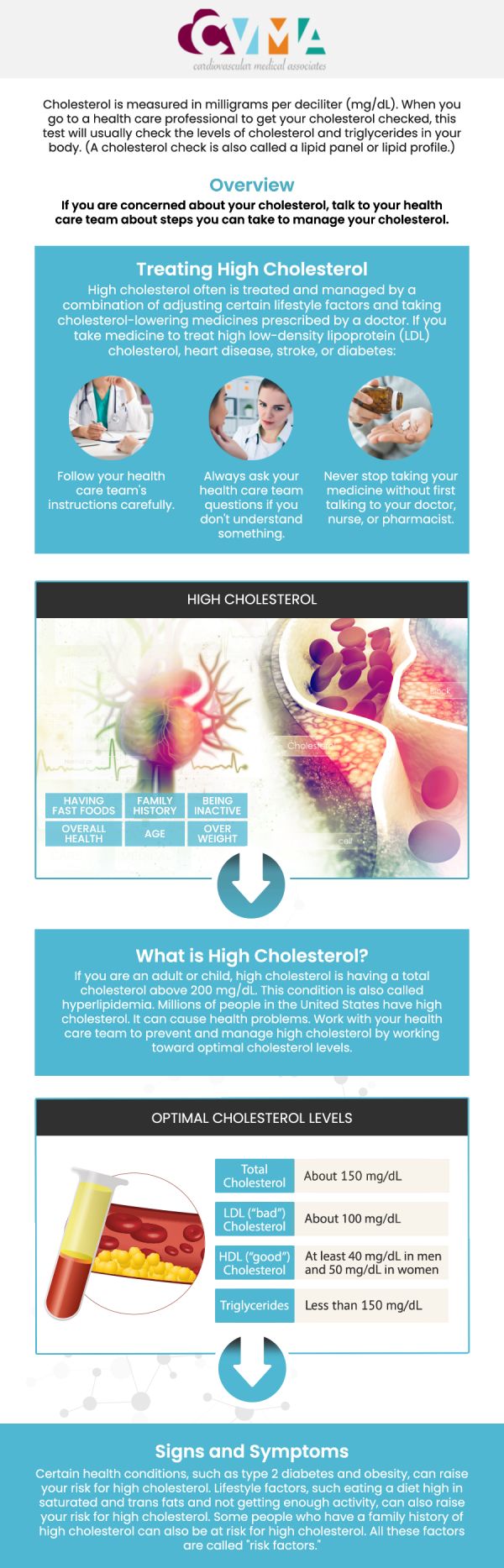
Table of Contents:
What is high cholesterol?
What are the causes of high cholesterol?
What are the signs and symptoms of hyperlipidemia?
What are the risk factors of high cholesterol?
How is hyperlipidemia diagnosed?
Comprehensive High Cholesterol Treatment at Cardiovascular Medical Associates in Downey, CA with Dr. Kaushal Tamboli, MD, FACC, and Team of Board-Certified Cardiologists
High cholesterol, or hyperlipidemia, occurs when there is too much cholesterol in the blood. Cholesterol is a fatty substance that is produced by the liver and can also be obtained from certain foods. It plays a crucial role in building cells and producing certain hormones, but too much of it can lead to plaque formation in the arteries. This plaque build-up can narrow the arteries, increasing the risk of heart disease, stroke, and peripheral artery disease. High cholesterol, particularly elevated levels of low-density lipoprotein (LDL) cholesterol, is often referred to as “bad” cholesterol because it contributes to the narrowing and hardening of the arteries.
According to the Centers for Disease Control and Prevention (CDC), over 71 million Americans, or about a third of adults, have high cholesterol. Since high cholesterol does not usually present noticeable symptoms, it’s important to regularly check cholesterol levels. A lipid profile test, which measures total cholesterol, LDL, HDL (high-density lipoprotein, or “good” cholesterol), and triglycerides, is the most common way to assess cholesterol levels and cardiovascular risk. Early detection through these tests is vital for effective management and prevention of cardiovascular issues.
The primary causes of high cholesterol are poor diet, obesity, lack of exercise, smoking, and certain medical conditions, including diabetes. A diet high in saturated fats, trans fats, and cholesterol contributes to the elevation of LDL cholesterol levels. Foods like red meat, processed meats, full-fat dairy products, fried foods, and eggs are common contributors. Consuming these foods regularly can cause your cholesterol levels to rise, putting you at greater risk for cardiovascular diseases. Additionally, obesity, defined as having a BMI of 30 or higher, significantly increases the chances of having high cholesterol. For example, a person weighing 180 pounds and standing 6 feet tall (72 inches) would have a BMI of 24.41, which is considered healthy. However, a BMI of 30 or higher indicates obesity, which can lead to higher cholesterol levels.
Genetics also plays a key role in determining cholesterol levels. If high cholesterol runs in your family, you are more likely to have it as well, regardless of your diet or lifestyle. Genetic factors, such as familial hypercholesterolemia, can lead to high cholesterol from birth. Additionally, certain medical conditions like hypothyroidism, kidney disease, and diabetes can contribute to an increase in cholesterol levels. These conditions can disrupt normal cholesterol metabolism, leading to higher LDL cholesterol and lower HDL cholesterol. Managing your cholesterol involves addressing these risk factors through lifestyle changes and, in some cases, medications.
High cholesterol is often referred to as a “silent” condition because it typically does not cause any symptoms until it leads to serious cardiovascular events like a heart attack or stroke. There are no direct symptoms that indicate the presence of high cholesterol, which makes regular cholesterol screenings essential. Most people are unaware that they have high cholesterol until a routine blood test reveals abnormal results. It is recommended that adults have their cholesterol levels checked every four to six years, with more frequent testing for those with risk factors such as obesity, smoking, or family history of heart disease.
Although high cholesterol itself doesn’t show symptoms, it can cause visible signs in certain cases. In rare situations, people with very high cholesterol may develop fatty deposits in the skin, known as xanthomas, or yellowish plaques around the eyes, called xanthelasma. However, these conditions are typically seen in cases of familial hypercholesterolemia, a genetic disorder that causes significantly high cholesterol levels from an early age. For most individuals, cholesterol tests are the most reliable way to monitor cholesterol levels and detect hyperlipidemia before serious health problems arise.
Several factors increase the risk of developing high cholesterol, including age, gender, genetics, and lifestyle choices. As people age, their cholesterol levels tend to rise, with men typically experiencing higher levels after the age of 45 and women after menopause. A family history of high cholesterol or heart disease can significantly increase the likelihood of developing high cholesterol as well. Other lifestyle factors, such as a diet high in saturated fats and trans fats, lack of exercise, smoking, and being overweight, can all contribute to elevated cholesterol levels. Obesity, in particular, is a significant risk factor, as having a BMI of 30 or higher increases the chances of having high cholesterol.
Another important risk factor is waist circumference. Studies have shown that individuals with a waist circumference of 40 inches or more for men and 35 inches or more for women are at a higher risk of developing high cholesterol. This is because excess abdominal fat can increase cholesterol production and decrease the effectiveness of HDL cholesterol, which helps remove “bad” cholesterol from the bloodstream. By addressing these risk factors through healthy lifestyle changes, such as regular physical activity, a balanced diet, and weight management, you can help reduce the risk of developing high cholesterol.
Hyperlipidemia is diagnosed through a blood test called a lipid profile or cholesterol test, which measures the levels of total cholesterol, LDL cholesterol, HDL cholesterol, and triglycerides. The American Heart Association recommends that adults get their cholesterol checked every four to six years. If a person has risk factors, such as a family history of high cholesterol or heart disease, or if they have other conditions like diabetes or high blood pressure, cholesterol tests may need to be done more frequently. A standard lipid profile provides a comprehensive view of your cholesterol levels and helps doctors assess your risk of cardiovascular disease.
In some cases, an advanced test called nuclear magnetic resonance (NMR) spectroscopy may be used to provide more detailed information about LDL particle size and number, as well as HDL and VLDL (very low-density lipoprotein) subclasses. While NMR testing offers valuable insights, it is more expensive and takes longer to process than a standard lipid profile, so it’s not always necessary for everyone. Your doctor will determine which test is most appropriate based on your overall health and risk factors. Regular cholesterol screenings are crucial for early detection and prevention of heart disease and other complications associated with high cholesterol.
At Cardiovascular Medical Associates in Downey, CA, Dr. Kaushal Tamboli, MD, FACC, and his team of board-certified cardiologists provide a comprehensive approach to managing high cholesterol. The first step in managing high cholesterol is through lifestyle changes, such as adopting a heart-healthy diet, increasing physical activity, quitting smoking, and maintaining a healthy weight. In many cases, these changes can help reduce cholesterol levels and improve heart health. However, if lifestyle modifications are not enough, medication may be necessary.
Our team at Cardiovascular Medical Associates works closely with each patient to develop a personalized treatment plan that may include medication, lifestyle counseling, and regular monitoring. We understand that managing high cholesterol is an ongoing process, and we are committed to providing the support and guidance you need to keep your cholesterol levels under control. With the expertise of Dr. Kaushal Tamboli, MD, FACC, and his team, you can trust that your cholesterol management plan will be tailored to your unique health needs. For more information, contact us or book an appointment online. We are conveniently located at 8317 Davis St, Downey, CA 90241. We serve patients from Downey CA, Norwalk CA, Lynwood CA, Cerritos CA, Lakewood CA, Whittier CA, and surrounding areas.
Check Out Our 5 Star Reviews





 Send Text
 How May I Help You?