

What Are The Causes Of Coronary Artery Disease?
Coronary artery disease is mainly caused by plaque buildup (atherosclerosis) in the heart’s arteries, which reduces blood flow. High cholesterol, high blood pressure, smoking, diabetes, and unhealthy lifestyle habits can speed up this process. Genetics and family history may also increase risk. At Cardiovascular Medical Associates in Downey, CA, Board-Certified Dr. Kaushal Tamboli, MD, FACC, and our team of cardiologists provide expert evaluation and care. For more information, contact us or book an appointment online. We are conveniently located at 8317 Davis St, Downey, CA 90241.
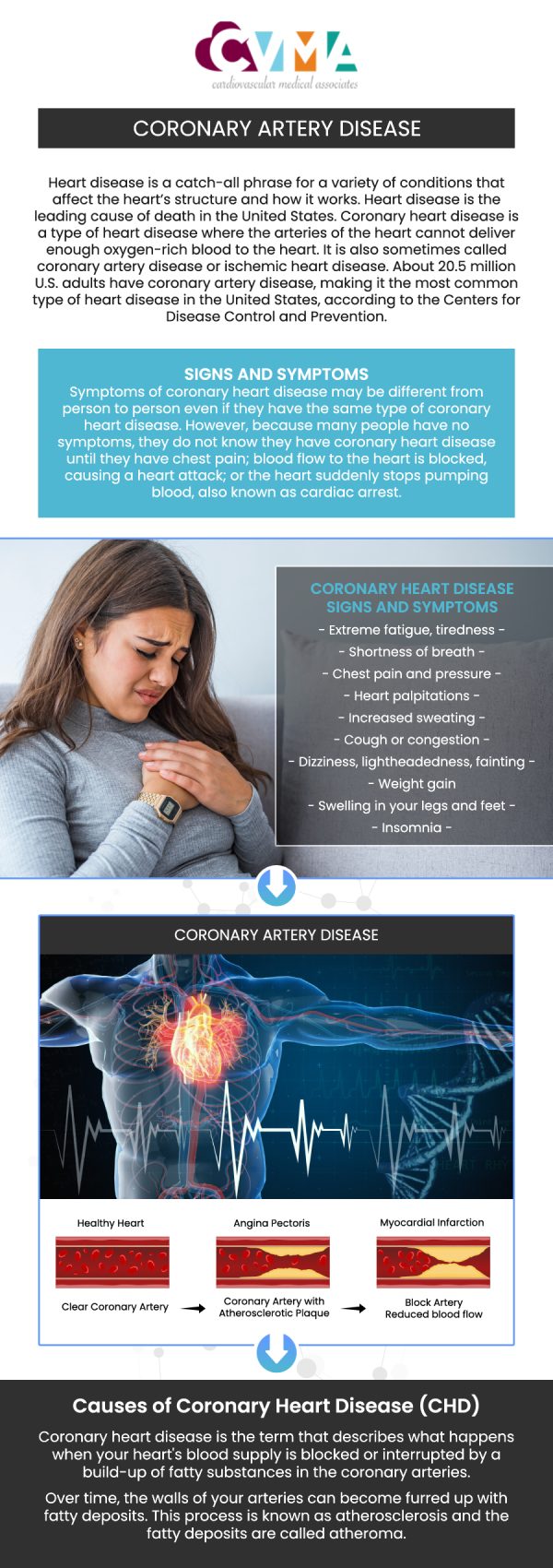
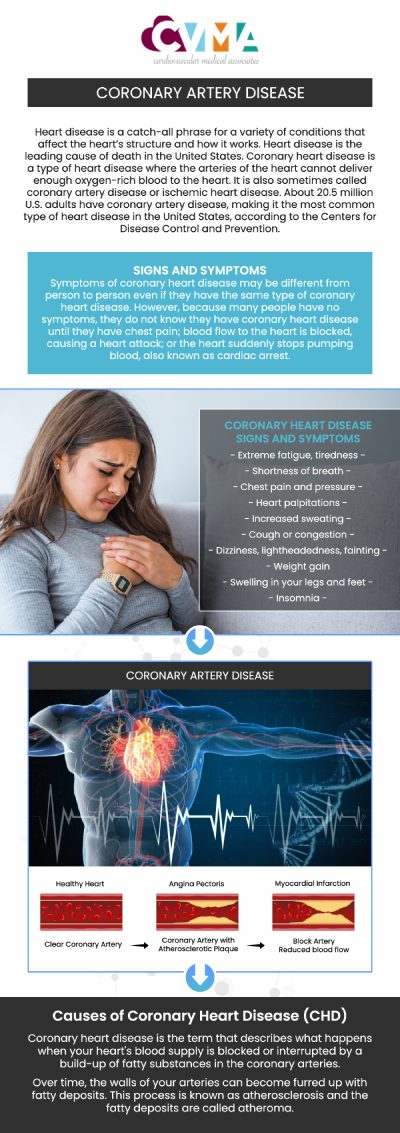
Table of Contents:
What are the signs and symptoms of coronary artery disease?
What are the risk factors of coronary artery disease?
How is coronary artery disease diagnosed?
Are there preventative steps or measures to avoid coronary artery disease?
Genetic and Medical Causes of Coronary Artery Disease at Cardiovascular Medical Associates in Downey, CA, Board-Certified Dr. Kaushal Tamboli, MD, FACC, and Our Team of Cardiologists
Coronary artery disease (CAD) develops when the coronary arteries become narrowed or blocked, reducing blood flow to the heart muscle. Common signs and symptoms include chest pain or pressure (angina), shortness of breath, fatigue, and discomfort in the arms, neck, jaw, or back. Some individuals may also experience palpitations, sweating, nausea, or dizziness, especially during physical activity or emotional stress when the heart requires more oxygen. In some cases, symptoms may be mild or go unnoticed until the condition becomes more advanced.
Women, older adults, and individuals with diabetes may experience less typical symptoms such as unexplained fatigue or mild shortness of breath rather than severe chest pain. These subtle signs can delay diagnosis and treatment. Recognizing early warning symptoms is important because CAD can progress silently and increase the risk of heart attack if not properly evaluated.
Risk factors for coronary artery disease include both lifestyle and medical conditions that contribute to plaque buildup in the arteries. Common risk factors include high blood pressure, high cholesterol, smoking, diabetes, obesity, and a sedentary lifestyle. Family history of heart disease also increases the likelihood of developing CAD, especially if close relatives were diagnosed at an early age.
Other contributing factors include poor diet, chronic stress, excessive alcohol use, and aging. Men are generally at higher risk at a younger age, while risk increases for women after menopause. Understanding these risk factors helps identify individuals who may benefit from early screening and preventive cardiovascular care.
Coronary artery disease is diagnosed through a combination of medical history, physical examination, and specialized cardiac testing. Common diagnostic tools include electrocardiograms (EKGs), echocardiograms, stress tests, and blood tests that measure cholesterol levels and cardiac enzymes. These tests help evaluate how well the heart is functioning and whether blood flow is being restricted.
In some cases, advanced imaging such as CT coronary angiography or cardiac catheterization may be used to directly visualize blockages in the arteries. These diagnostic methods allow cardiologists to assess the severity of the disease and determine the most appropriate treatment plan.
Preventing coronary artery disease involves adopting heart-healthy lifestyle habits and managing risk factors early. Key preventive steps include maintaining a balanced diet low in saturated fats and cholesterol, engaging in regular physical activity, avoiding smoking, and managing conditions such as high blood pressure, diabetes, and high cholesterol. Stress management and maintaining a healthy weight also play important roles in reducing risk.
Regular cardiovascular checkups are essential for early detection and prevention. Monitoring heart health through routine screenings helps identify changes before they progress into serious disease. Preventive care can significantly reduce the likelihood of a heart attack and long-term complications.
Genetic predisposition plays a significant role in coronary artery disease, especially in individuals with a family history of early heart disease. Inherited conditions affecting cholesterol metabolism, blood pressure regulation, or clotting factors can increase the likelihood of plaque buildup in the arteries. Medical conditions such as hypertension, diabetes, and chronic kidney disease further accelerate vascular damage and increase cardiovascular risk. At Cardiovascular Medical Associates, Board-Certified Cardiologist Kaushal Tamboli, MD, FACC and the cardiology team provide comprehensive evaluation of both genetic and medical risk factors. Through advanced diagnostic testing and personalized care plans, the team focuses on early detection, prevention, and long-term management of coronary artery disease for patients in Downey and surrounding communities. For more information, contact us or book an appointment online. We are conveniently located at 8317 Davis St, Downey, CA 90241. We serve patients from Downey CA, Norwalk CA, Lynwood CA, Cerritos CA, Lakewood CA, Whittier CA, and surrounding areas.
Check Out Our 5 Star Reviews





 Send Text
 How May I Help You?